McCarthyism
Overview of McCarthyism
McCarthyism refers to the political strategy employed by Senator Joseph R. McCarthy (R-Wisconsin)to publicly question the loyalty of government employees. Even though he often lacked concrete proof of subversive acts, McCarthy’s accusations that indivdiuals were Communist sympathizers fed into the American fears and resulted in persecution of the accused who often lost their jobs and were blacklisted from employment. McCarthy rose to public prominence and political power based on his ability to order investigations and silence his detractors.
The story about how a relatively unknown junior senator from Wisconsin came to wield such power over the American public and the U.S. political system reflects the culture of fear and suspicion based in public paranoia fed by the Second Red Scare and the political spectacle of the McCarthy Hearings. While McCarthy’s political downfall would result from the televised Army-McCarthy hearings, the Supreme Court under Chief Justice Earl Warren acted to strengthen the civil liberties of individuals against political attacks.
Joseph McCarthy’s Rise to Power
Joseph McCarthy was an unremarkable junior senator from Wisconsin for the first three years of his term until he capitalized on American fears of Communism. On February, 1950, he gave a speech in Wheeling, West Virginia, and warned the American public about “the enemies within.” Enumerating the global expansion of Communism since the end of the Second World War, McCarthy claimed to have a list of US State Department employees who were mmebers of the Communist Party. He warned, “One thing to remember in discussing the communists in our government is that. …We are dealing with a far more sinister type of activity because it permits the enemy to guide and shape our policy.”1
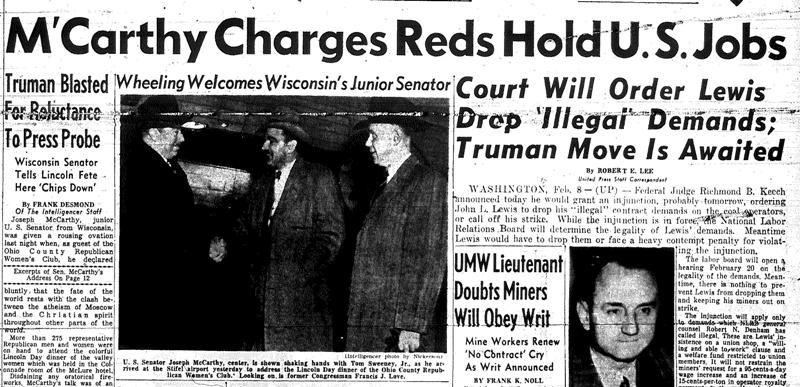
Senator McCarthy’s claim in his February 9, 1950 speech that over 205 government employees were members of Communist Party made newspaper headlines and captured fears of the American public.
In response to McCarthy’s claims, the American public and press did not ask for evidence supporting these allegations, but reacted with demands that the State Department purge those employees from government service.
The Global Circulation
The Spanish brought chiles back to Europe, from Europe to Asia, and eventually chiles spread around the world. Within two centuries of Columbus, chiles were growing in India, Hungary, Korea, Thailand—places that now consider them indigenous, essential, defining.
This is one of history’s greatest ironies: the cuisines we think of as authentically Asian, Hungarian, or Indian all depend on a plant from the Americas. Today, more chiles are consumed in Asia than anywhere else on Earth, yet hardly anyone thinks of chiles as “Asian.”
The Southwest, however, kept them close. When Spanish settlers began colonizing New Mexico in the late 1500s, they brought cultivated chile varieties with them. These adapted to the high desert climate, the intense sun, the seasonal rains. Over centuries, New Mexico developed its own distinctive chile varieties.
The New Mexican Obsession
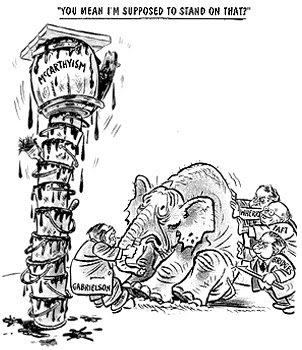
Editorial cartoonist Herb Block is credited with coining the term McCarthyism in 1950 with this cartoon for The Washington Post.
By the 18th and 19th centuries, chiles were so central to New Mexican cuisine that they weren’t just a spice—they were an identity marker. You could tell where someone was from by how they prepared chiles, what variety they grew, when they harvested.
Red versus green became almost a political and cultural statement. Families had chile-growing traditions stretching back generations. Towns developed reputations for particular varieties. The annual chile harvest was (and still is) treated with ceremonial importance.
When New Mexico became a U.S. state in 1912, one of its first instincts was to assert its uniqueness through food. Chile festivals emerged. Chile-growing competitions began. The chile became a symbol of regional pride—fiercer and more protective than almost any other ingredient anywhere.
The Chemistry of Heat and Culture
What makes chiles remarkable isn’t just their flavor, but their heat—the capsaicin that creates that burning sensation. This isn’t taste in the traditional sense; it’s pain. We’ve evolved to eat chiles despite the pain, even to crave it.
There’s psychology in this. The shared experience of eating something hot—the sweating, the laughing, the communal endurance—creates bonds. Chile-eating contests, chile-eating challenges, families bonding over who can handle the hottest salsa: this is social behavior built on a plant that literally tests your limits.
Modern Variations and Challenges
Today, New Mexican chiles face challenges. Climate change is shifting growing seasons. Industrial agriculture has made cheaper, flavorless chiles available everywhere, undercutting local farmers. Younger generations are moving away from rural areas where chiles have been grown for generations.
But there’s also a renaissance. Heirloom chile varieties are being preserved and celebrated. New restaurants are treating chiles with the seriousness of a wine vintage—specific growing regions, specific varieties, specific preparation methods.
The carousel below shows the diversity of modern chile culture:
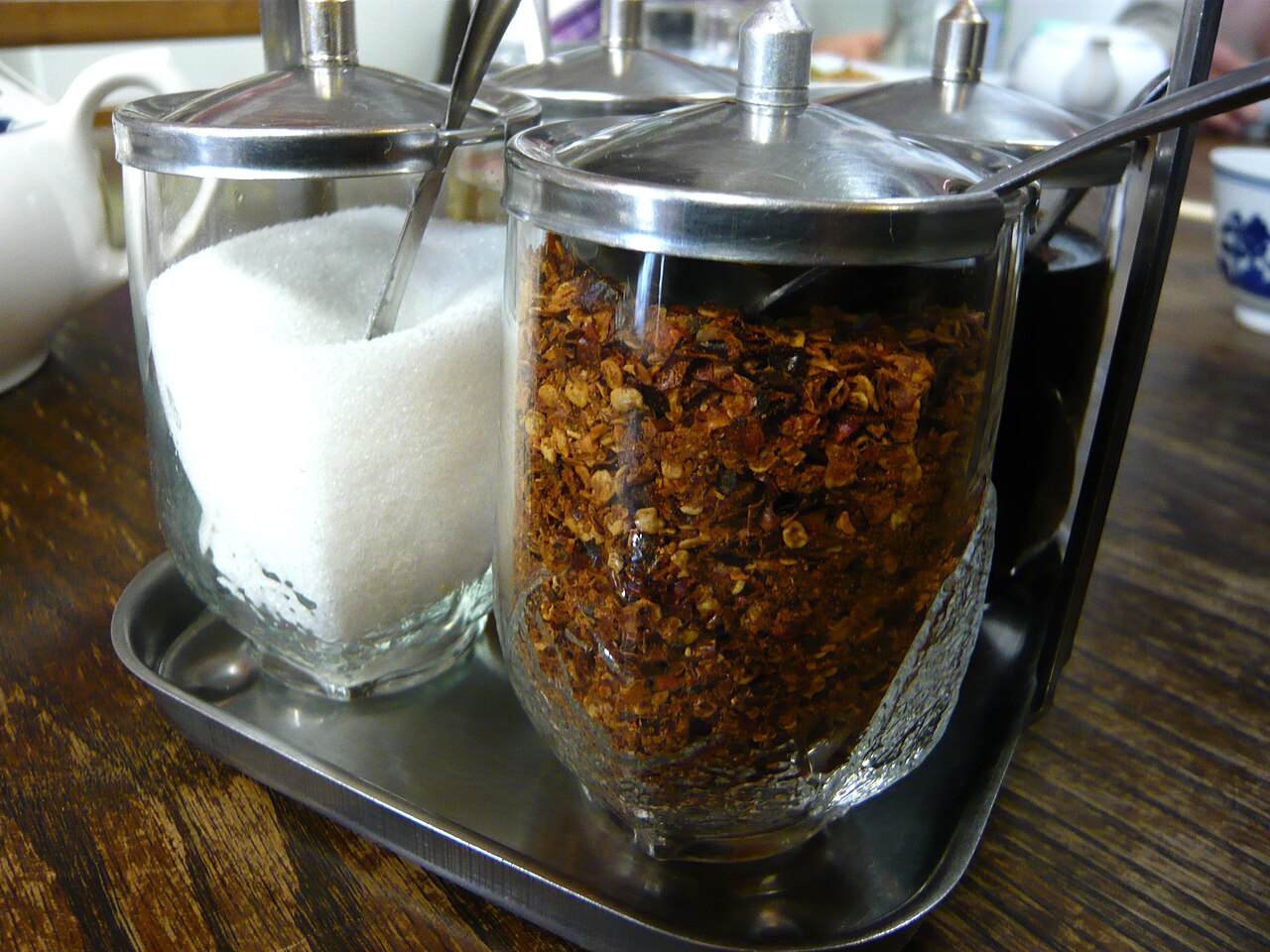
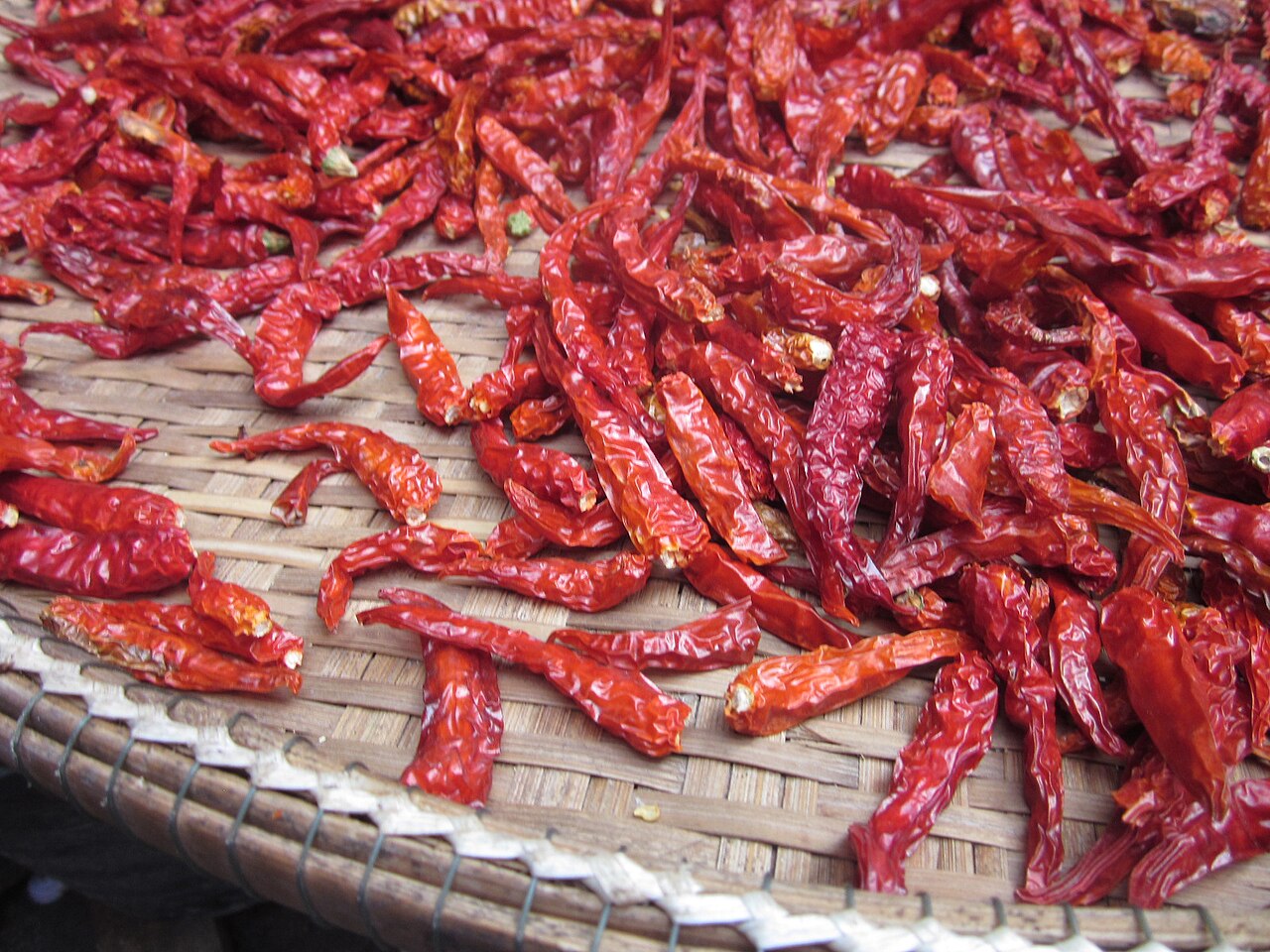
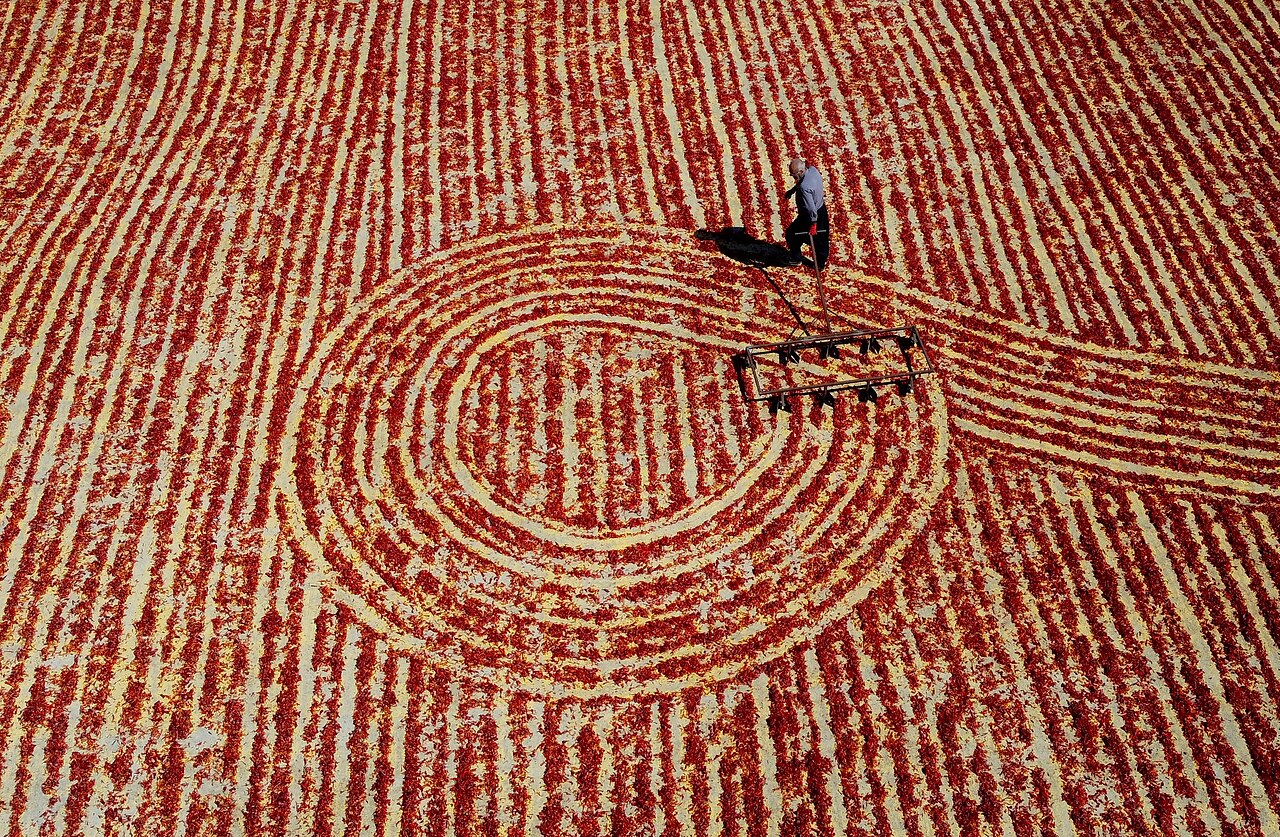
The varieties tell a story:
- Pueblo chiles: small, early, adapted to high elevations
- Spanish varieties: brought by colonists, adapted over centuries
- Hybrid modern varieties: bred for consistency and market appeal
- Heirloom preservation varieties: grown specifically to maintain genetic diversity
Each represents a different moment in the chile’s journey from wild plant to cultural icon.
The Future of Southwest Identity
As the Southwest changes—becoming more urban, more diverse, more connected to global food systems—what happens to the chile? Will it remain a marker of regional identity, or become just another ingredient?
The answer might be both. Chiles have always adapted. They adapted to every continent, every climate, every cuisine that adopted them. They adapted from wild plants to cultivated varieties to industrial agriculture to heirloom preservation. They’ve been spice, currency, medicine, ritual object, and comfort food.
Maybe that adaptability is the real story. Not the origin in Mexico or the spread through the world or the obsession in New Mexico, but the fact that a plant can be shaped and reshaped by human culture while still remaining fundamentally itself.
The heat remains. The flavor remains. The chile endures.
Further exploration: Taste different chile varieties if you can—fresh, roasted, dried. Visit a chile festival if you’re in the Southwest during harvest season. Ask family members about their chile traditions. The story of chiles is also the story of regional identity, of cultural pride, and of how food carries history in its flavor.
-
McCarthy, J. “Address to the League of Women’s Voters.” Wheeling, West Virgina. February 9, 1950. Accessed at https://teachamericanhistory.wordpress.com/wp-content/uploads/2009/06/mccarthy_wheeling_speech.pdf ↩