McCarthyism
The Warren Court
From ancient cultivation to modern cuisine, the chile’s journey spans thousands of years.
Ancient History (7500 BCE – 1400 CE)
~7500 BCE — Archaeological evidence suggests domestication of chiles begins in Mexico, making them one of the oldest cultivated crops in the Americas.
~3000 BCE — Chiles become integrated into Mesoamerican agriculture alongside maize, beans, and squash.
~1400 CE — By the height of the Aztec Empire, chiles are essential to cuisine, medicine, and trade. Multiple varieties are cultivated for different purposes.
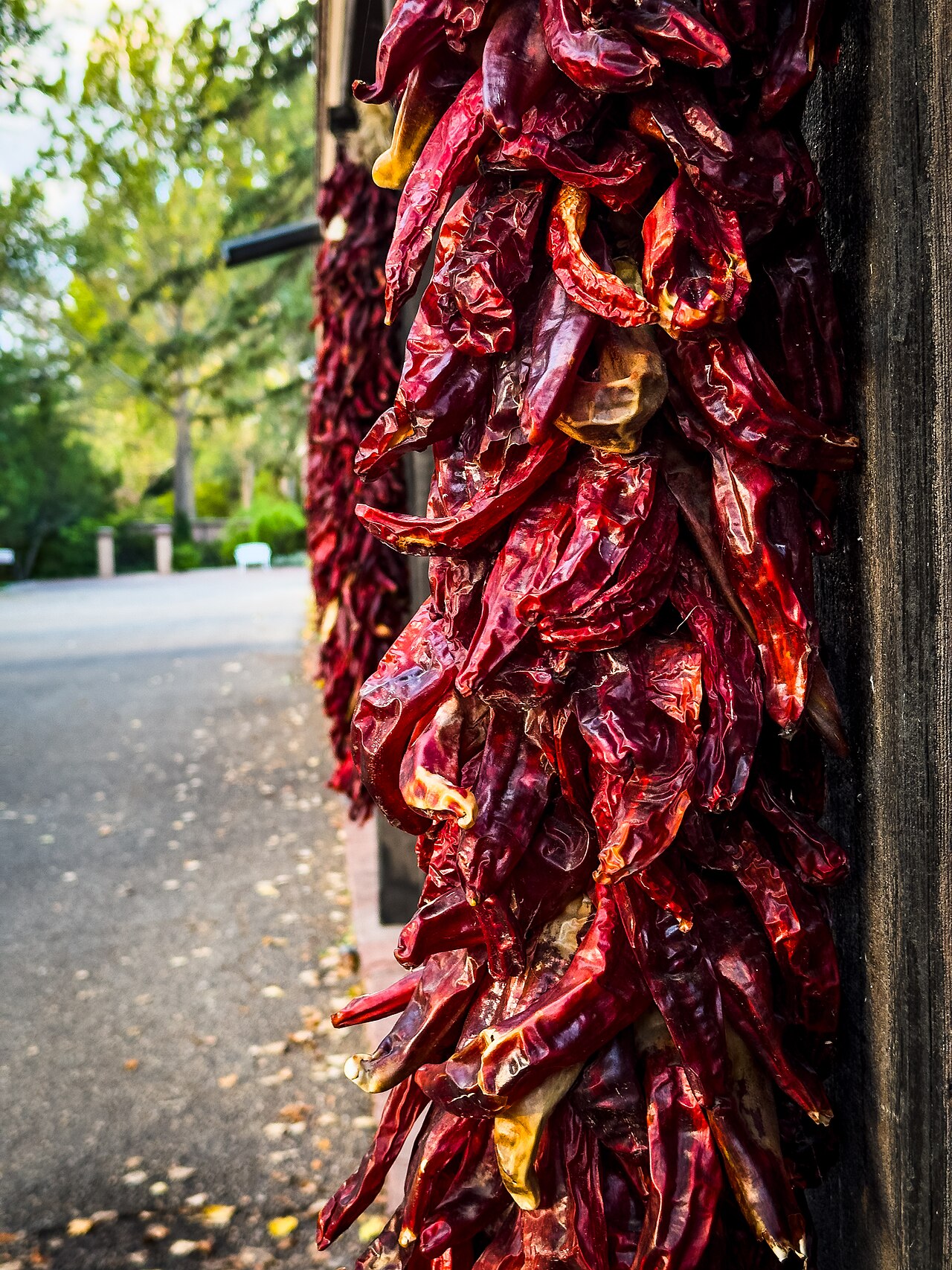
Archaeological evidence suggests chile domestication began around 7500 BCE in Mexico—making it one of the oldest cultivated crops in the Americas.
Colonial Era (1492 – 1800)
1492 — Columbus encounters chiles in the Caribbean and mistakenly calls them “peppers,” confusing them with black pepper.
1493 — Chiles arrive in Spain, beginning their global spread.
1598 — Spanish colonists bring cultivated chile varieties to New Mexico along the Camino Real.
1600s–1700s — Chiles spread through Africa, Asia, and Europe, transforming cuisines worldwide.
Modern Era (1800 – Present)
1912 — Wilbur Scoville develops the Scoville Scale to measure chile heat.
1912 — New Mexico becomes a state; chile culture becomes a marker of regional identity.
1970s–1980s — The Hatch Chile Festival begins, cementing New Mexico’s reputation as the chile capital of America.
2000s — Heirloom chile preservation movements gain momentum as industrial agriculture threatens genetic diversity.
Present — Climate change challenges traditional growing regions while new varieties and cultivation techniques continue to evolve.
The story of the chile is still being written.